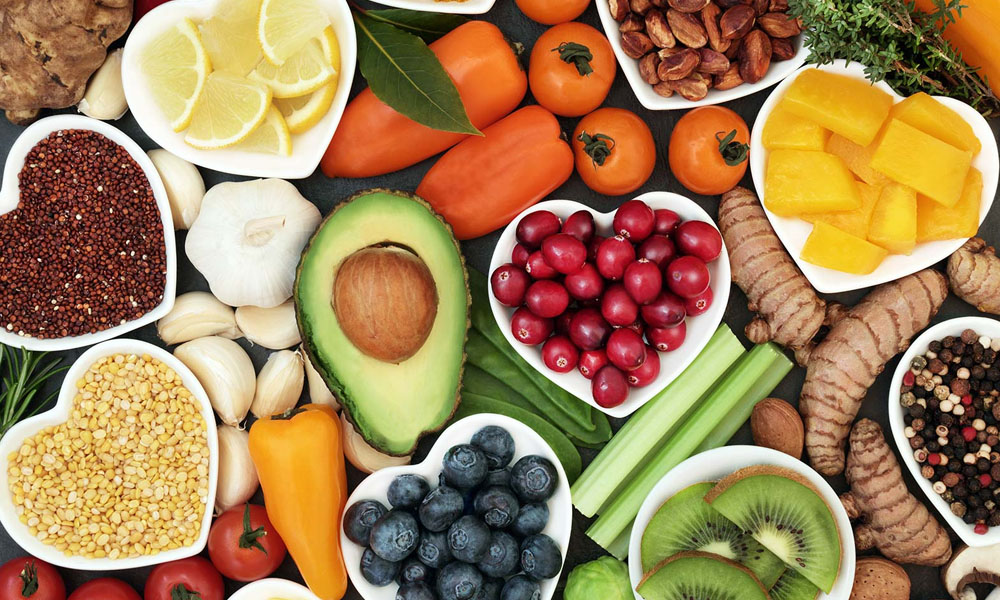


The term “superfood” is often used to describe foods that are exceptionally rich in vitamins, minerals, antioxidants, and other beneficial nutrients. While there is no official scientific definition of a superfood, these foods are recognized for their impressive nutritional value and potential health benefits. Including a variety of nutrient-dense foods in your diet can help support overall wellness, boost energy levels, and reduce the risk of certain health conditions.
What Are Superfoods?
Superfoods are natural foods that provide high amounts of nutrients relative to their calorie content. They are typically rich in antioxidants, fiber, healthy fats, vitamins, and minerals that support different aspects of health.
Superfoods are not a magic solution for perfect health, but they can be a valuable part of a balanced diet when combined with healthy lifestyle habits.
Benefits of Superfoods
Adding superfoods to your daily meals may help:
- Support immune health
- Improve heart health
- Promote healthy digestion
- Increase energy levels
- Support brain function
- Reduce inflammation
- Maintain healthy skin
- Assist with weight management
1. Blueberries
Blueberries are often considered one of the healthiest fruits due to their high antioxidant content.
Benefits
- Supports brain health
- Helps protect cells from oxidative stress
- May support heart health
- Provides vitamins C and K
Ways to Enjoy
- Add to smoothies
- Mix into yogurt
- Use as a healthy snack
- Sprinkle over oatmeal
2. Spinach
Spinach is a nutrient-rich leafy green vegetable packed with vitamins and minerals.
Benefits
- Rich in iron and magnesium
- Supports eye health
- Promotes healthy bones
- Contains antioxidants
Ways to Enjoy
- Add to salads
- Blend into smoothies
- Include in soups and omelets
3. Salmon
Salmon is an excellent source of protein and omega-3 fatty acids.
Benefits
- Supports heart health
- Helps reduce inflammation
- Supports brain function
- Provides vitamin D and B vitamins
Ways to Enjoy
- Grilled salmon fillets
- Salmon salads
- Baked salmon dishes
4. Avocados
Avocados contain healthy monounsaturated fats and various nutrients.
Benefits
- Supports heart health
- Provides fiber
- Helps maintain healthy cholesterol levels
- Rich in potassium
Ways to Enjoy
- Spread on toast
- Add to salads
- Blend into smoothies
- Make guacamole
5. Chia Seeds
Chia seeds are tiny but packed with nutrition.
Benefits
- High in fiber
- Contains omega-3 fatty acids
- Supports digestive health
- Provides plant-based protein
Ways to Enjoy
- Add to yogurt
- Mix into smoothies
- Prepare chia pudding
- Sprinkle over cereal
6. Greek Yogurt
Greek yogurt is rich in protein and beneficial probiotics.
Benefits
- Supports gut health
- Helps maintain muscle health
- Provides calcium
- Supports digestion
Ways to Enjoy
- Eat with fruit
- Use in smoothies
- Add to breakfast bowls
7. Broccoli
Broccoli is one of the most nutrient-dense vegetables available.
Benefits
- Rich in vitamin C
- Supports immune function
- Provides fiber
- Contains antioxidants
Ways to Enjoy
- Steam as a side dish
- Add to stir-fries
- Include in soups
8. Nuts and Seeds
Almonds, walnuts, flaxseeds, and sunflower seeds provide healthy fats and important nutrients.
Benefits
- Supports heart health
- Provides protein
- Helps maintain energy levels
- Rich in vitamins and minerals
Ways to Enjoy
- Eat as snacks
- Add to salads
- Mix into oatmeal
9. Sweet Potatoes
Sweet potatoes are loaded with vitamins, minerals, and fiber.
Benefits
- Rich in vitamin A
- Supports eye health
- Provides complex carbohydrates
- Helps maintain steady energy
Ways to Enjoy
- Baked sweet potatoes
- Mashed sweet potatoes
- Added to soups and stews
10. Green Tea
Green tea contains natural compounds called catechins that offer antioxidant benefits.
Benefits
- Supports heart health
- Provides antioxidants
- May improve focus
- Supports overall wellness
Ways to Enjoy
- Hot green tea
- Iced green tea
- Combined with lemon
How to Add Superfoods to Your Diet
Incorporating superfoods doesn’t have to be complicated.
Start Small
Add one or two nutrient-dense foods to your daily routine.
Build Balanced Meals
Combine superfoods with lean proteins, whole grains, and healthy fats.
Focus on Variety
Different superfoods provide different nutrients, so aim for a diverse diet.
Choose Whole Foods
Whenever possible, select minimally processed foods to maximize nutritional value.
Sample Superfood Breakfast
A healthy breakfast might include:
- Greek yogurt
- Blueberries
- Chia seeds
- Almonds
- A cup of green tea
This combination provides protein, fiber, healthy fats, vitamins, and antioxidants.
Common Myths About Superfoods
Myth: Superfoods Can Replace a Healthy Diet
No single food can provide all the nutrients your body needs. A balanced diet remains essential.
Myth: Superfoods Are Expensive
Many affordable foods such as spinach, sweet potatoes, oats, and beans offer excellent nutritional value.
Myth: Eating More Superfoods Guarantees Better Health
Moderation and variety are key. Overall dietary patterns matter more than any single food.
Conclusion
Superfoods are nutrient-rich foods that can support overall health and wellness when included as part of a balanced diet. From blueberries and spinach to salmon and chia seeds, these foods offer a variety of vitamins, minerals, antioxidants, and other beneficial compounds. By making superfoods a regular part of your meals, you can nourish your body and support long-term health.
Meta Description:
Learn about the top superfoods, their health benefits, nutritional value, and simple ways to include these nutrient-dense foods in your daily diet.