

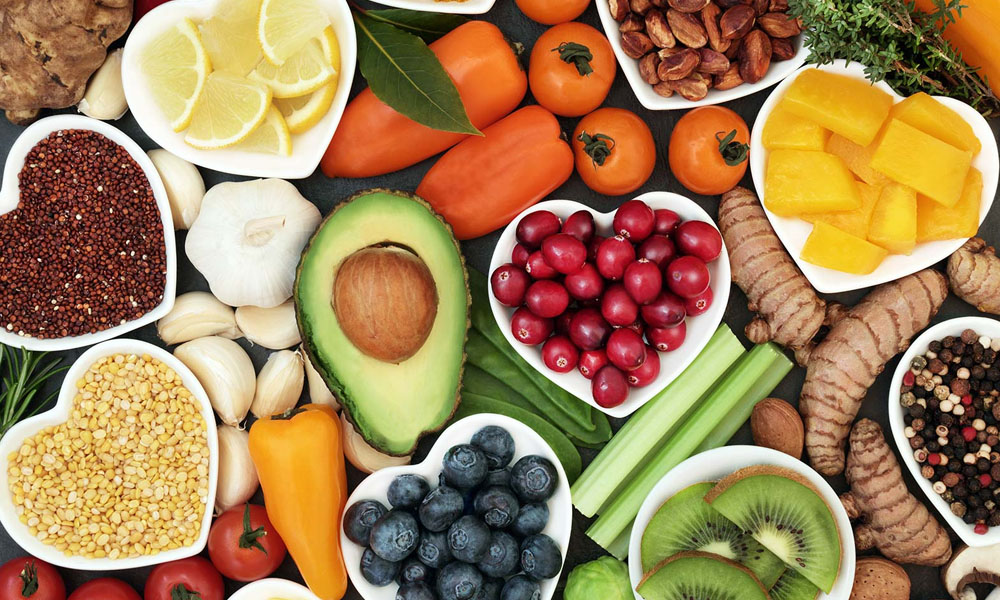
Proper nutrition is the foundation of a healthy life, and vitamins and minerals play a crucial role in keeping the body functioning at its best. These essential nutrients support growth, strengthen the immune system, maintain healthy bones, and help convert food into energy. Although they are needed in small amounts, their impact on overall health is significant.
What Are Vitamins?
Vitamins are organic compounds that the body needs for various biological processes. Since the body cannot produce most vitamins in sufficient amounts, they must be obtained through food or supplements.
Types of Vitamins
Fat-Soluble Vitamins
These vitamins are stored in the body’s fatty tissues and liver.
Vitamin A
- Supports vision and eye health
- Promotes healthy skin
- Strengthens the immune system
- Sources: carrots, sweet potatoes, spinach, and eggs
Vitamin D
- Helps absorb calcium
- Supports bone and muscle health
- Sources: sunlight, fatty fish, fortified dairy products
Vitamin E
- Acts as an antioxidant
- Protects cells from damage
- Sources: nuts, seeds, and vegetable oils
Vitamin K
- Essential for blood clotting
- Supports bone health
- Sources: leafy green vegetables and broccoli
Water-Soluble Vitamins
These vitamins are not stored in the body and need regular replenishment.
Vitamin C
- Supports immune function
- Helps with wound healing
- Acts as an antioxidant
- Sources: oranges, strawberries, kiwi, and bell peppers
B Vitamins
- Help convert food into energy
- Support brain and nervous system function
- Sources: whole grains, meat, eggs, dairy, and legumes
What Are Minerals?
Minerals are inorganic nutrients that help regulate many body functions. They are essential for healthy bones, muscles, heart function, and overall wellness.
Important Minerals and Their Benefits
Calcium
Calcium is vital for strong bones and teeth. It also supports muscle contractions and nerve function.
Sources:
- Milk and dairy products
- Leafy green vegetables
- Fortified plant-based beverages
Iron
Iron helps transport oxygen throughout the body and supports energy production.
Sources:
- Lean red meat
- Beans and lentils
- Spinach and fortified cereals
Magnesium
Magnesium supports hundreds of biochemical reactions in the body.
Benefits:
- Muscle and nerve function
- Bone health
- Energy production
Sources:
- Nuts and seeds
- Whole grains
- Dark leafy greens
Potassium
Potassium helps maintain healthy blood pressure and supports proper muscle and nerve function.
Sources:
- Bananas
- Potatoes
- Oranges
- Avocados
Zinc
Zinc supports immune health, wound healing, and cell growth.
Sources:
- Seafood
- Meat
- Nuts and seeds
- Whole grains
Signs of Nutrient Deficiencies
A lack of essential vitamins and minerals can lead to various health issues.
Common signs may include:
- Fatigue and low energy
- Frequent illness
- Weak bones
- Hair loss
- Dry skin
- Poor concentration
- Slow wound healing
- Muscle weakness
If symptoms persist, consulting a healthcare professional is recommended.
How to Get Enough Vitamins and Minerals
Eat a Balanced Diet
Include foods from all major food groups to ensure a wide range of nutrients.
Choose Colorful Fruits and Vegetables
Different colors often indicate different nutrients, so variety is important.
Include Whole Foods
Whole foods generally provide more nutrients than heavily processed alternatives.
Stay Hydrated
Proper hydration supports nutrient absorption and overall health.
Consider Supplements Carefully
Supplements may help when dietary intake is insufficient, but they should not replace a healthy diet.
Best Foods Packed with Essential Nutrients
Fruits
- Oranges
- Berries
- Bananas
- Kiwi
Vegetables
- Spinach
- Kale
- Broccoli
- Carrots
Protein Sources
- Eggs
- Fish
- Chicken
- Beans
- Lentils
Healthy Fats
- Almonds
- Walnuts
- Chia seeds
- Avocados
Whole Grains
- Oats
- Brown rice
- Quinoa
- Whole wheat products
Benefits of Getting Enough Nutrients
Consuming adequate vitamins and minerals can help:
- Boost immune function
- Improve energy levels
- Support healthy bones and muscles
- Promote healthy skin and hair
- Enhance brain function
- Improve heart health
- Support overall well-being
Conclusion
Vitamins and minerals are essential nutrients that help the body perform countless functions every day. Eating a balanced diet rich in fruits, vegetables, whole grains, lean proteins, and healthy fats is one of the best ways to meet your nutritional needs. By understanding the role of these nutrients and making healthy food choices, you can support long-term health and wellness.
Meta Description:
Learn about essential vitamins and minerals, their health benefits, food sources, deficiency symptoms, and how they support overall wellness and healthy living.