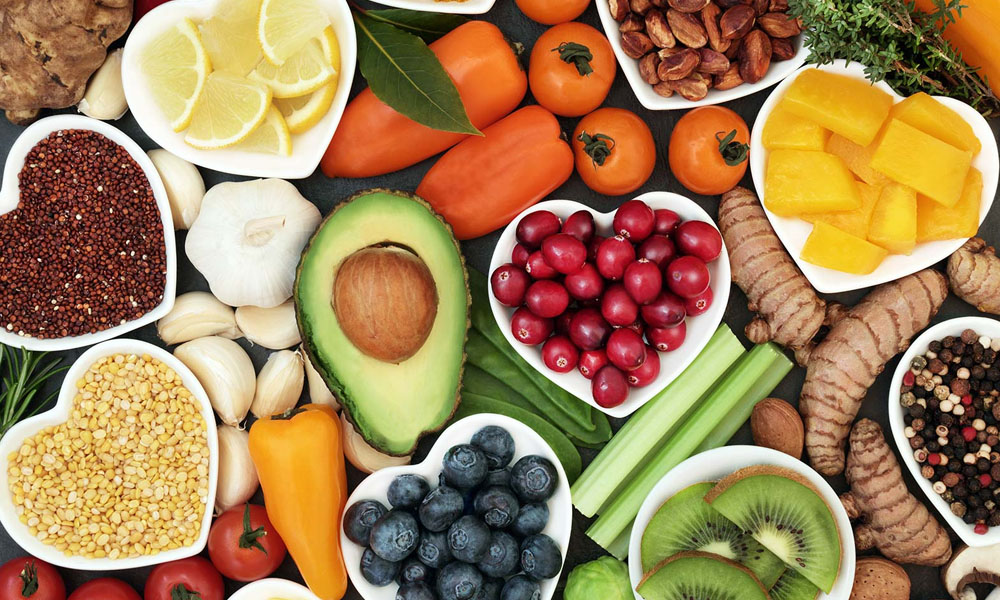


Maintaining a healthy diet is one of the best ways to support your overall well-being. The foods you eat provide your body with the nutrients it needs to function properly, maintain energy levels, and protect against various health conditions. Healthy eating does not require complicated meal plans or strict dietary restrictions. Instead, it involves making informed choices and developing sustainable habits that can benefit your health for years to come.
1. Eat a Variety of Nutrient-Rich Foods
No single food contains all the nutrients your body needs. Including a wide range of foods in your daily meals helps ensure you receive essential vitamins, minerals, proteins, carbohydrates, healthy fats, and fiber. Try to incorporate colorful fruits and vegetables, whole grains, lean proteins, and healthy fats into your diet.
2. Fill Your Plate with Fruits and Vegetables
Fruits and vegetables are rich sources of vitamins, minerals, antioxidants, and dietary fiber. These nutrients support immune function, digestive health, and overall wellness. Aim to fill at least half of your plate with fruits and vegetables during meals. Fresh, frozen, and minimally processed options can all contribute to a healthy diet.
3. Choose Whole Grains Over Refined Grains
Whole grains such as brown rice, oats, quinoa, and whole wheat products contain more nutrients and fiber than refined grains. Fiber helps maintain digestive health, supports healthy blood sugar levels, and can contribute to feelings of fullness. Replacing refined grains with whole grains is a simple step toward better nutrition.
4. Include Lean Protein Sources
Protein is essential for building and repairing tissues, supporting muscle health, and maintaining various bodily functions. Good sources of lean protein include fish, poultry, eggs, beans, lentils, tofu, and low-fat dairy products. Including protein in your meals can also help keep you satisfied throughout the day.
5. Stay Hydrated
Water plays a critical role in nearly every function of the body. It helps regulate temperature, transport nutrients, and remove waste products. Drinking enough water each day can improve concentration, energy levels, and overall health. Try carrying a reusable water bottle to encourage regular hydration.
6. Limit Added Sugars
Many processed foods and beverages contain added sugars that can contribute to excess calorie intake without providing significant nutritional value. Consuming too much added sugar may increase the risk of weight gain and other health concerns. Reading food labels and choosing naturally sweet foods such as fruits can help reduce sugar consumption.
7. Be Mindful of Portion Sizes
Even healthy foods can contribute to excess calorie intake when consumed in large amounts. Paying attention to portion sizes can help maintain a balanced diet and support healthy weight management. Eating slowly and listening to your body’s hunger and fullness cues can prevent overeating.
8. Choose Healthy Fats
Not all fats are harmful. Healthy fats found in foods such as avocados, nuts, seeds, olive oil, and fatty fish can support heart health and provide important nutrients. Try to limit foods high in trans fats and excessive saturated fats while focusing on healthier alternatives.
9. Reduce Highly Processed Foods
Highly processed foods are often high in sodium, added sugars, and unhealthy fats. While occasional treats can be part of a balanced diet, relying heavily on processed foods may reduce the quality of your nutrition. Preparing meals at home with fresh ingredients can help you make healthier choices.
10. Plan Your Meals Ahead
Meal planning can make healthy eating easier and more consistent. Preparing a weekly menu, creating a shopping list, and having nutritious snacks available can help reduce the temptation to choose less healthy options. Planning ahead also saves time and supports better food choices throughout the week.
Benefits of Healthy Eating
Adopting healthy eating habits can provide numerous benefits, including:
- Improved energy levels
- Better digestion and gut health
- Stronger immune function
- Support for healthy weight management
- Reduced risk of chronic diseases
- Improved mood and mental well-being
- Better heart health
- Enhanced overall quality of life
Common Healthy Foods to Include in Your Diet
Some excellent nutrient-rich foods include:
- Apples, oranges, berries, and bananas
- Spinach, broccoli, carrots, and tomatoes
- Brown rice, oats, and whole wheat bread
- Fish, chicken, eggs, beans, and lentils
- Yogurt and low-fat dairy products
- Nuts, seeds, and olive oil
Conclusion
Healthy eating is a lifelong journey that starts with small, manageable changes. By focusing on balanced meals, staying hydrated, choosing nutrient-rich foods, and practicing mindful eating, you can improve your overall health and well-being. Remember that consistency is more important than perfection. Every healthy choice you make contributes to a healthier and more energetic future.
Meta Description:
Discover 10 simple nutrition and healthy eating tips to improve your health, boost energy, support weight management, and build lifelong healthy habits.